
Will AI Replace 50% of Jobs?
Most jobs won't disappear by 2030. But they will feel very different. Here's what's actually changing — and what leaders should do about it.

Every few months, a new incendiary headline drops that says something like "AI will replace 50% of jobs by 2030." Then the panic starts. Parents worry about their kids' career choices. People freeze, wondering if they should retrain for something AI can't do.
I've spent 20+ years building businesses and the last two years working with organisations implementing AI. This question gets asked constantly, but it’s the wrong question.
Most jobs won't disappear, but almost every job will feel very different. The people asking "will my job exist?" should be asking "what will my job actually involve in five years?"
Let me explain what's happening, and what you can do about it if you're leading a team through this.
Why the 50% Figure Is Misleading
The claim that AI will replace us usually comes from studies that break jobs down into discrete tasks, then calculate how many of those tasks AI could theoretically automate. The problem with this methodology is that jobs aren't just bundles of tasks.
I worked with a law firm last year. On paper, AI could handle 60% of what their paralegals did — sounds like a redundancy wave, right?
They didn't cut headcount whatsoever. They redirected those paralegals to client relationship work, complex case strategy, and training the AI systems. While the job title stayed the same, the day-to-day changed completely.
When we replace the repetitive, low-judgment parts of what people do, we’re left with work that requires more human judgment, context, and relationship work.
What's Changing
From Doing Tasks to Designing Systems
In the organisations I work with, the shift is clear: people are moving from executing tasks to designing the systems that do the execution.
A finance team I advised used to spend three days a month on reconciliation. Now they spend 30 minutes reviewing what the AI flagged as anomalies. The rest of the time is for improving the reconciliation process itself, building dashboards, and working with other departments on forecasting.
Not everyone will make that transition easily. Some people loved the predictability of reconciliation work, and the more ambiguous version of the job didn’t suit them.
From Specialist to Generalist
I'm watching roles blur. A designer who used to only do visual work now writes copy, builds prototypes in Figma with AI-generated components, and runs basic user testing. A product manager who used to coordinate developers now ships working prototypes themselves using Cursor and Replit.
AI lets people operate outside their narrow lane. You don't need a dedicated person for every micro-task anymore. You need people who can connect dots across domains and use AI to fill the gaps in their expertise.
This terrifies specialists who built entire careers on deep, narrow knowledge. It excites generalists who were always frustrated by gatekeeping.
From Individual Work to Collaborative Oversight
Here's one that surprised me. AI is making work more collaborative, not less.
When a marketing team uses AI to draft content, someone still needs to review it, fact-check it, align it with brand voice, and approve it. That's now a team conversation, not a solo task. When an engineering team uses AI to generate code, someone still needs to review architecture decisions, security implications, and integration points.
The lone wolf roles (where one person disappears for a week and emerges with finished work) are shrinking. The new process is rapid AI-generated drafts, followed by human collaboration to refine, challenge, and approve.
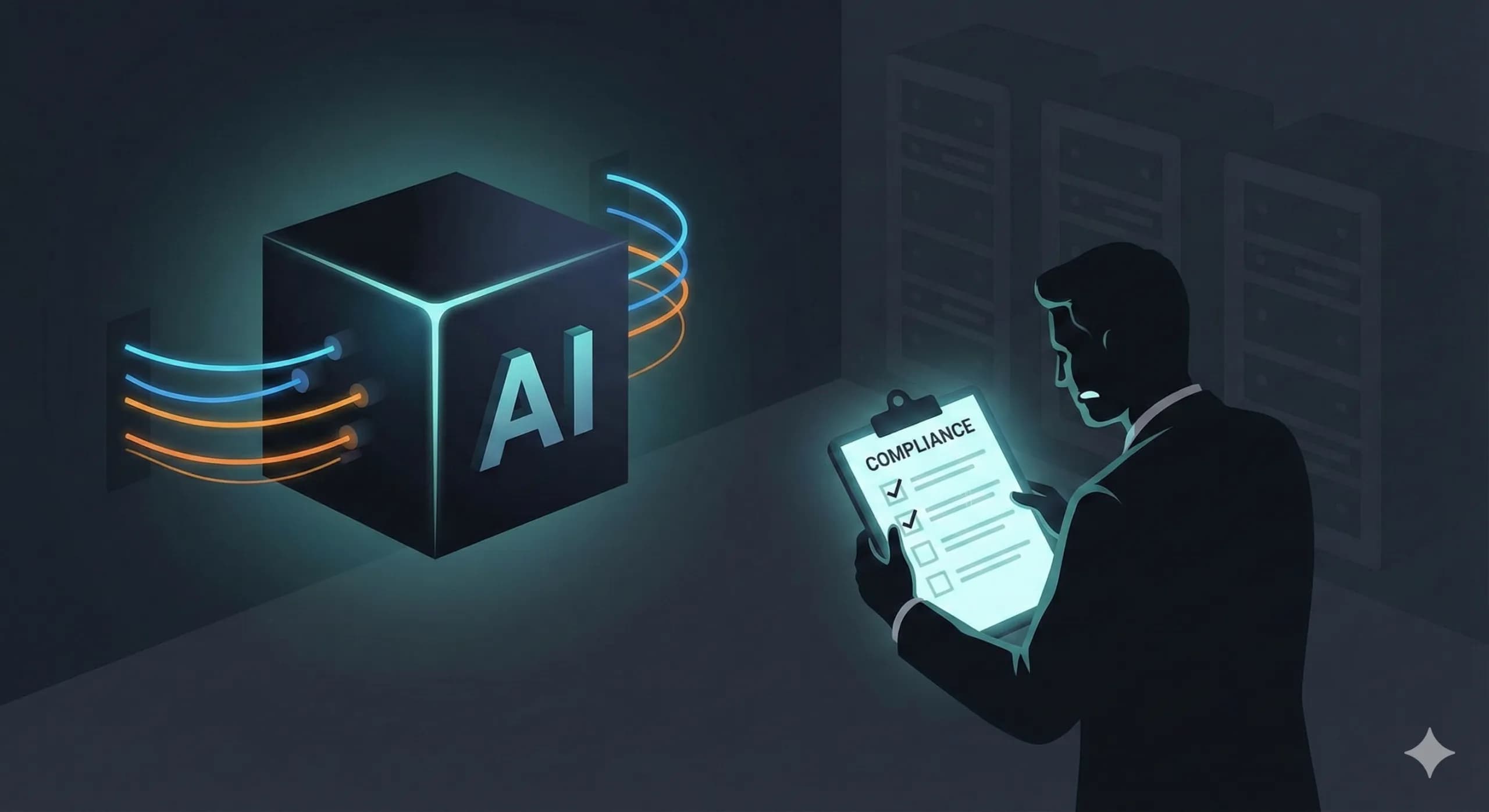
If your culture doesn't support good collaboration, AI will expose that fast.
So What Should Leaders Actually Do?
If you're leading a team and people are asking "will AI replace my job?", here's what I'd suggest:
Be honest about the shift, not the threat. Don't pretend nothing will change. Don't say AI is just a tool and move on. Acknowledge that the nature of work is shifting. Most jobs will exist, but they'll involve different activities. People need to hear that clearly.
Help people reframe from tasks to outcomes. I don’t ask teams what they do. Instead, I ask: "What outcome does your role exist to create?" When someone says they process invoices, I push them to develop this into an outcome, such as — "I help the business understand cash flow and supplier relationships." AI can handle the processing. The insight and relationships? That's still human.
Experiment visibly and honestly. Don't roll out AI in secret then announce changes. Run visible experiments. Share what worked and what didn't. Let people see the mess, not just the polished result. This builds trust and reduces fear.
Create space for people to learn. Instead of locking them into formal training, give your team time to play with tools, permission to try things that might not work, and psychological safety to admit when something is confusing. The people who'll thrive in 2030 are the ones experimenting now.
Accept that some people won't make the shift. This is the bit most leaders avoid saying. Not everyone will adapt. Some people built careers on tasks that AI genuinely will eliminate. If you're honest about the direction, some will leave. That's better than stringing people along.
The Real Question Is Work
Will AI replace 50% of jobs? Probably not in the way the headlines suggest. But will 50% of jobs feel unrecognisable in five years? Yes.
Think back to previous technology developments like the PC, the internet, mobiles and cloud. Every wave, the same panic. Every wave, jobs evolved rather than vanished. This time feels faster and more disorienting because AI touches cognitive work, not just manual or administrative tasks. But technology changes what we do, not whether we have something to do.
The leaders who navigate this well are the ones who approach it with honesty and help their teams focus on what humans are uniquely good at — judgement, relationship, creativity, and connecting disparate ideas.
The ones who struggle are the ones who either pretend nothing's changing or catastrophise that everything's ending.
Most jobs won't disappear by 2030, but they'll feel very different. The shift is from doing tasks to designing systems, from specialist to AI-powered generalist, and from solo work to collaborative oversight.
Leaders should be honest about the shift, help people reframe their roles around outcomes, and create space to experiment. The question isn't "will my job exist?" — it's "what will my job become?"
Ready to think through what this means for your team? I work with organisations navigating AI adoption — not the hype, the actual work. Book a conversation if you want to talk it through.
Struggling with the same challenges?
Book a consultation
Martin Sandhu
Fractional CTO & Product Consultant
Product & Tech Strategist helping founders and growing companies make better technology decisions.
Connect on LinkedIn