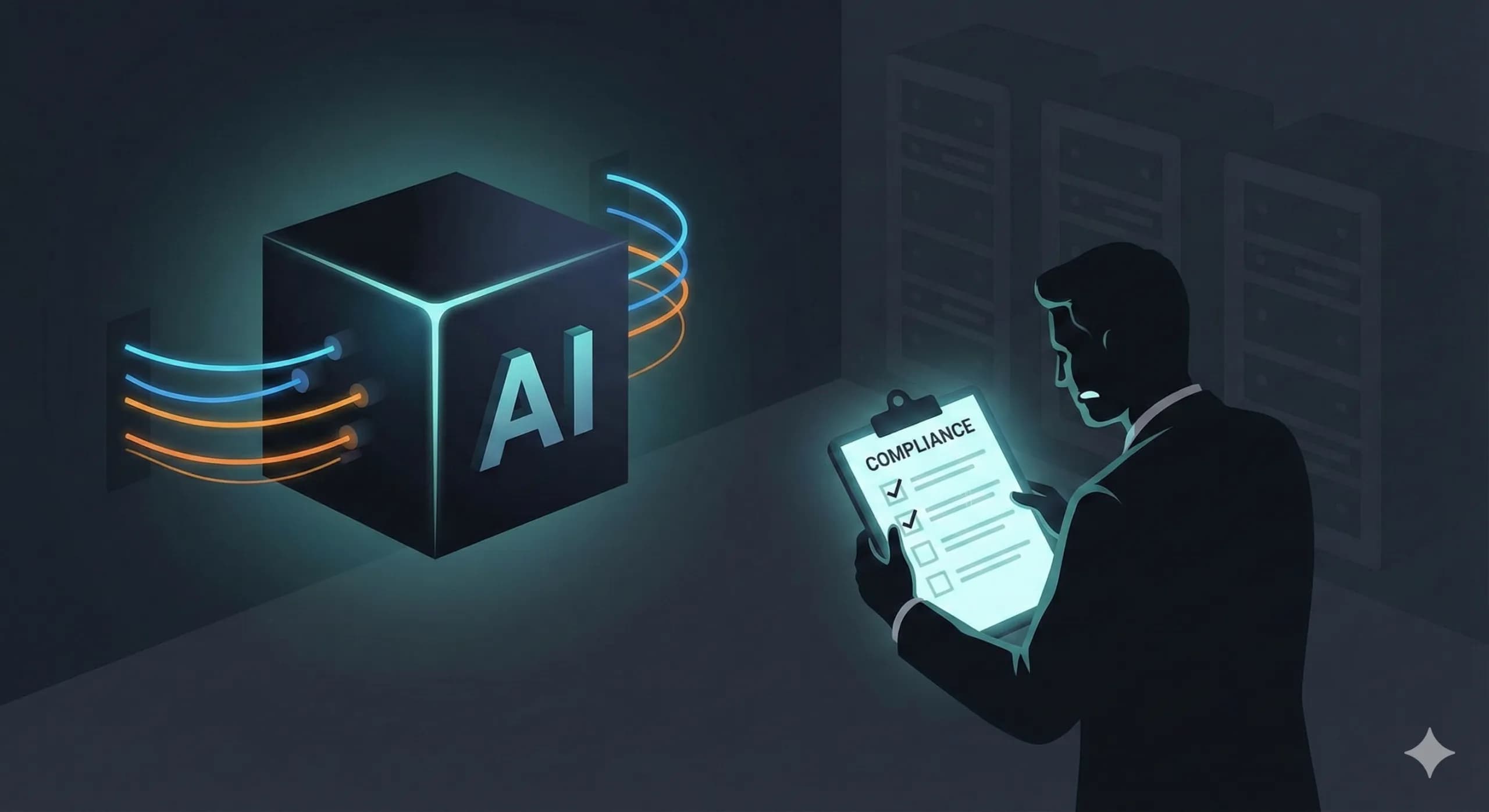

AI Consulting Services UK: What to Look For
Thinking about AI consulting? Here's what UK businesses should look for in AI consultants — and the warning signs that tell you to walk away.

The market for AI consulting services in the UK has grown rapidly over the last 18 months. Every consultancy, agency and freelancer seems to have added 'AI transformation' to their pitch deck.
Some are legitimate operators with real implementation experience but many aren’t. So how do you tell the difference?
What AI Consulting Involves
Good AI consulting is about identifying specific workflows where AI can improve performance, designing those workflows with the people who will use them, implementing the tools safely, and ensuring the new process outlasts the consultant.
This means three things must happen:
- The consultant must understand your operations, not just your industry in the abstract. That requires speaking to the people doing the work.
- The implementation must be tested with real users in a real workflow. Pilots that run in isolation prove nothing.
- The consultant must leave behind something that continues without them: documented processes, trained users, and clear ownership of the workflow going forward.
Engagements fail because at least one of these steps is skipped. The consultant won’t have bedded themselves in, done the legwork to test, or thought about what happens once they’ve left.
Warning Signs: When to Walk Away
1. They Lead with Technology
If the first question is 'Which AI platform do you want to use?' or 'Have you considered implementing an LLM?', the consultant is thinking backwards. Technology choices come later, once you know what you are trying to solve and for who.
2. They Promise Fast ROI Without Asking Hard Questions
AI implementations take time to embed. Anyone promising '3x productivity in 90 days' or '50% cost savings by Q2' without understanding your workflows, team structure or current processes is selling a fantasy.
Real implementations require discovery, design, testing, iteration, and training. A consultant who skips straight to ROI projections either has no idea how messy this work is, or expects the engagement to end before results are measured.
3. They Do Not Involve Frontline Staff
If the engagement plan only includes interviews with directors and executives, the implementation will fail. The people doing the work every day know where the friction is better than anyone.
I worked with a professional services firm last year where leadership wanted to automate client reporting. The consultant they had hired designed a system based entirely on what the partners thought happened. When they spoke to the analysts who wrote the reports, they found that 40% of the proposed automation would not work because the data did not exist in a usable format. The project was three weeks in before anyone asked the people who would use it.
4. They Sell 'AI Strategy' as a Standalone Deliverable
Strategy without implementation is a waste of money. A 60-page document titled 'AI Transformation Roadmap' might look impressive in a board pack, but it doesn’t fundamentally change how your organisation operates.
The consultants who produce these documents know this. That is why the next step is always another engagement to 'implement the strategy'. You end up paying twice and there is no accountability for whether the strategy was right in the first place.
Good consultants embed strategy in the work itself. You should be testing ideas, learning what works, and refining the approach as you go.

What Good AI Consulting Looks Like
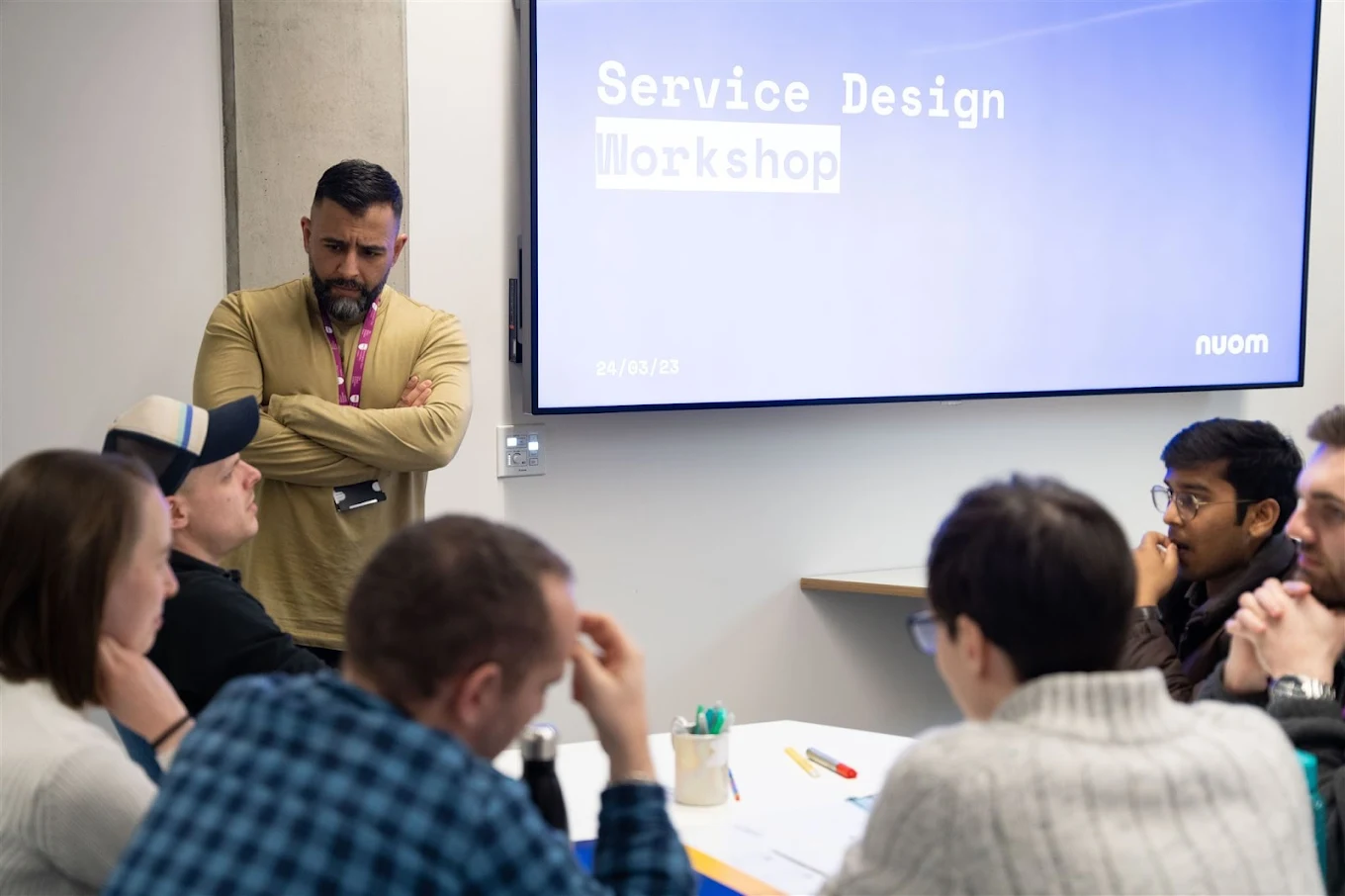
Discovery that involves the people doing the work means workshops with frontline staff, asking: 'What takes time?', 'What is frustrating?', 'Where do mistakes happen?'. This surfaces where AI might help.
Small, testable implementations before big commitments mean you should be running a real workflow with real users within 4–6 weeks. Start with one process — not a full platform — test it properly, take some learnings, then decide whether to scale or pivot.
If we’re being honest, the consultant should be working themselves out of a job. Their engagement is limited. A good consultant knows that, so clear ownership and handover is there from day one. They’ll be training your team, documenting workflows, and ensuring someone internal can own the process once they’re gone. If they’re the only person who knows how it works, they’re building a dependency, not a capability.
I worked with a mid-market logistics company earlier this year. They wanted AI to improve route planning and vehicle scheduling. We started with one depot, one workflow, and two weeks of testing. The system worked, so we documented it and trained the ops team. From there, they rolled it out to depots themselves. That is what good implementation looks like. It continues without you.
How to Evaluate AI Consulting Services
When you are evaluating AI consulting services, ask these questions:
Have you implemented AI in organisations like ours before? Look for specific examples, like 'We worked with a logistics company to automate route planning'.
What does the first 30 days look like? A good consultant should be able to describe the discovery process, who they will speak to, what they will test, and what decisions will be made. Remember that the specifics matter.
What happens when the engagement ends? They should explain what they’ll build to ensure work can carry on without them. That might include workflow ownership, training or troubleshooting. If the answer is 'we offer ongoing support packages', they are building a dependency which’ll cost more in the long run.
What would make you walk away from this project? This is a test of honesty. Good consultants know when AI is not the answer. If they cannot name a scenario where they would recommend against implementation, they don’t care enough. They’re just trying to make a sale.
When You Need an AI Consultant
Not every organisation needs external help with AI. If your team has the capacity to run small experiments and iterate based on what works, you can learn a lot without hiring anyone.
You need a consultant when:
- You have identified a problem AI might solve but lack the time or expertise to design and test a solution,
- When you have tried AI pilots that did not stick and you do not know why,
- When leadership is asking for an AI plan and you need external credibility to shape the conversation,
- Or when you are implementing AI at scale and need someone who has done it before to avoid expensive mistakes.
You do not need a consultant if you have not identified a specific problem AI might solve (start with the problem, not the technology), if you are looking for a strategy document to satisfy a board request (save the money and run a small experiment instead), or if you want someone to 'do AI' without involving your team (it will not stick).
Good AI consulting involves discovery with frontline staff, small testable implementations, and clear handover of ownership. The best measure of success is whether the work continues after the consultant leaves.
Struggling with the same challenges?
Book a consultation
Martin Sandhu
Fractional CTO & Product Consultant
Product & Tech Strategist helping founders and growing companies make better technology decisions.
Connect on LinkedIn