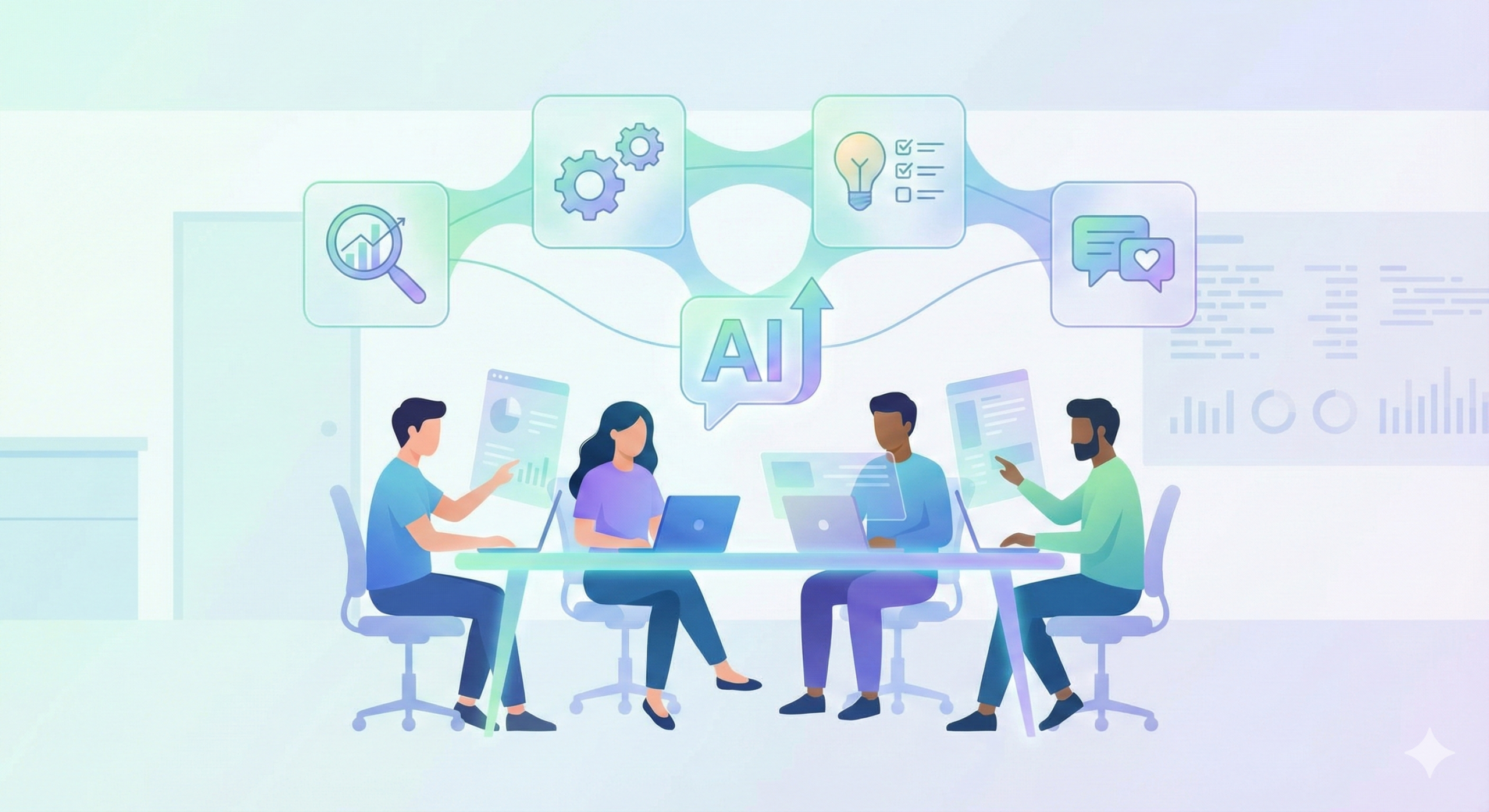
For most people, “AI” still means chatbots: a box where you type a question and a clever model spits out an answer. Useful, sometimes magical – but often a bit of a toy. The real shift in 2025 is happening somewhere less glamorous: boring workflows.
Every organisation has them. Weekly reports assembled from three different systems. Customer data being copied between CRM and finance tools. Inbox triage. Document reviews. Compliance checks. None of these sit on glossy slides, yet they soak up hours of expensive human time.
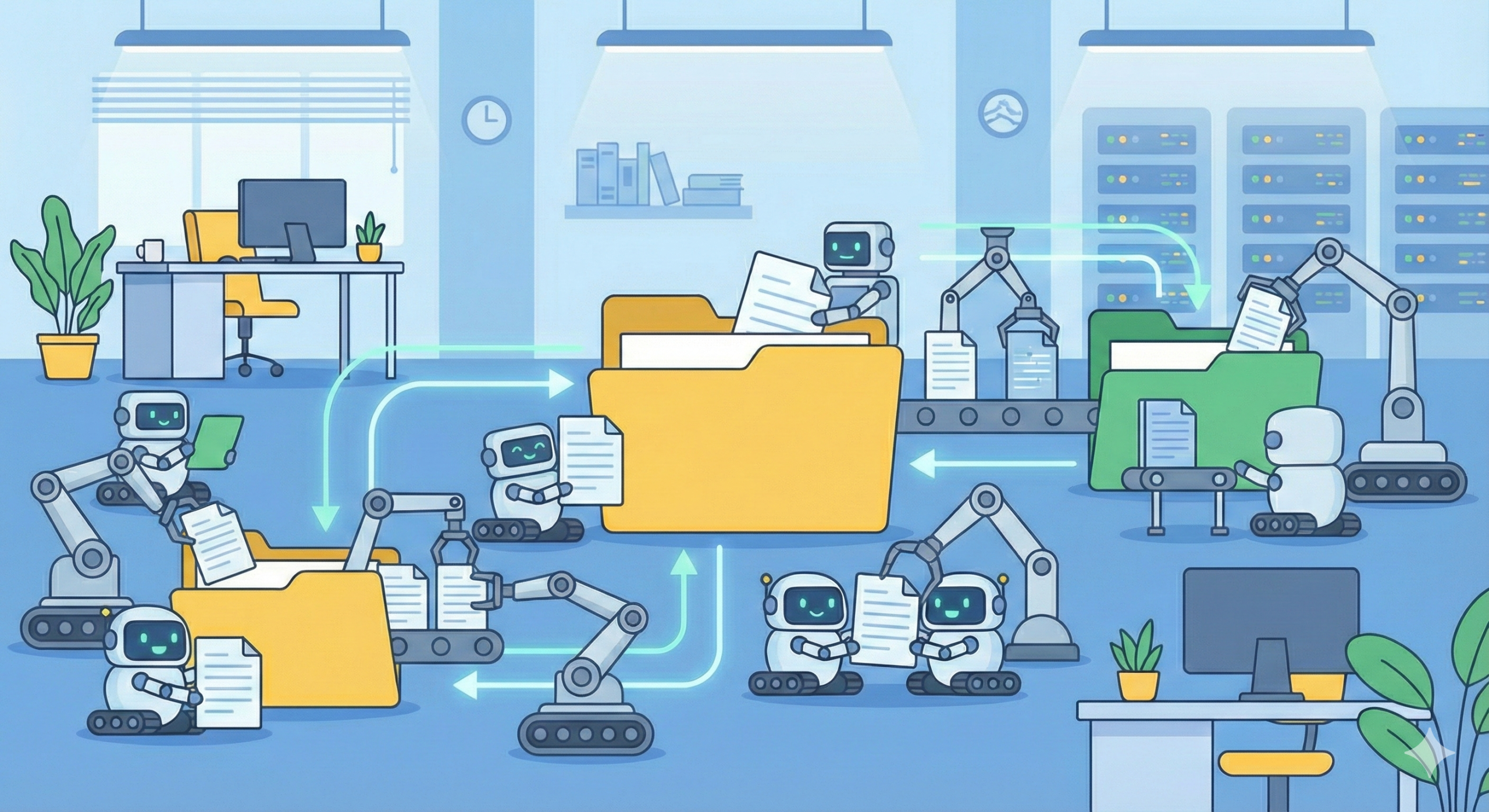
AI agents change the equation. Instead of simply responding to prompts, an agent can be given a goal, access to tools and systems, and permission to act. Think less “chat” and more “junior colleague” who can log in, fetch data, transform it, and push it to where it needs to go – with humans in the loop where needed.
Start with email. An AI agent can watch a shared inbox, categorise messages, extract key data, and trigger workflows. For a property business, that might mean flagging urgent maintenance issues, logging them in a ticketing system, and sending a holding reply. For a consultancy, it could mean spotting new lead enquiries, enriching them with company data, and adding them to the CRM.
Then there’s reporting. Many UK SMEs still rely on spreadsheets manually updated each week. An AI agent with API access to accounting, analytics, and operations systems can pull the latest numbers, assemble a draft dashboard, and even write narrative commentary on what’s changed. A manager simply reviews and edits rather than starting from scratch.
Document-heavy processes are another sweet spot. Contracts, NDAs, onboarding packs, policy updates – all of them involve reading, checking, and filing. AI agents can extract key clauses, compare them against templates, and highlight anomalies. They won’t replace lawyers, but they can dramatically reduce the amount of time people spend hunting for clause 4.2(a).
The key is to be ruthless about where humans genuinely add value. Do you really need a senior operations manager copying data between systems or chasing routine approvals? Or could they instead be designing better processes, while agents handle the grunt work?
Of course, governance matters. You don’t want rogue scripts causing chaos. In 2025, sensible organisations are setting up AI agents with clear permissions, logs, and approval steps. For example, an agent might prepare draft actions but require a human click to send emails or release payments. Over time, as trust builds and performance is monitored, more can be automated.
It’s also important to resist “AI for AI’s sake”. Not every workflow benefits from an agent. If you can solve a problem with a simple integration or native automation rule, do that first. AI agents come into their own when there’s messy, semi-structured data, exceptions, or multiple systems that don’t talk nicely to each other.
The biggest mindset shift is seeing AI as infrastructure rather than a gimmick. Chatbots make headlines; quiet, reliable agents don’t. Yet they are often where the largest productivity gains sit. Freeing up 10–15 hours per week across your back office can unlock whole projects that previously felt impossible.
For UK SMEs squeezed by rising employment and compliance costs, automating boring workflows is no longer a nice-to-have. It’s one of the few levers available that doesn’t involve cutting quality or overloading teams. AI agents are not science fiction; they’re just another way of getting the right work done by the right “people” – human or otherwise.